How Igbo Women used petitions to influence British authorities during colonial rule
Selected petitions and written correspondence between Igbo women and British officials between 1892 and 1960 shed fresh light on how women navigated male-dominated colonial institutions.
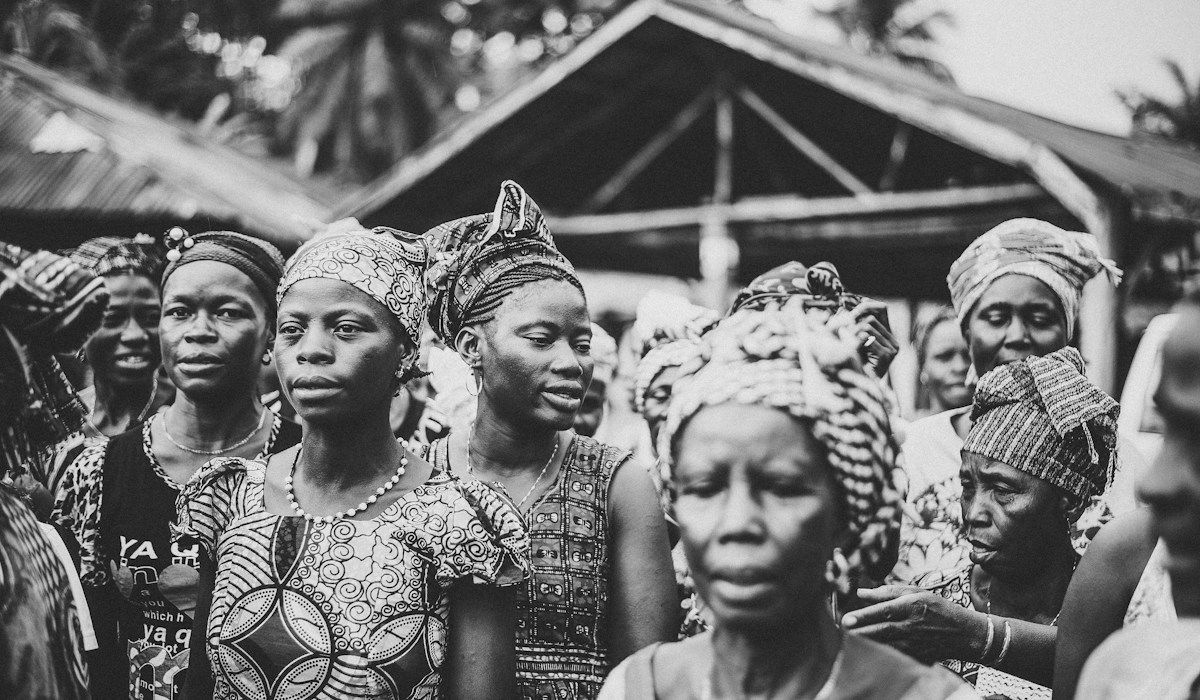 IGBO CULTURE · Cover photo for this story.
Selected petitions and written correspondence between Igbo women and British officials between 1892 and 1960 shed fresh light on how women navigated male-dominated colonial institutions and structures of the time.
African women acted in varied and complex ways to the situations they found themselves in. This ranged from subtle to overt opposition, and sometimes violent resistance.
One response was through petition writing as women took to the pen to articulate their concerns. In my research, I examined several petitions written by Igbo women to British officials during the colonial period. I found that petition writing was part of the complex power politics between the women and the colonial state.
Colonial rule in Nigeria
On June 5, 1885, Great Britain proclaimed Nigeria as a colony. It declared a protectorate over territories on the coast between the British Protectorate of Lagos and both banks of the Rivers Niger and Benue. Although treaties were signed with rulers by 1885, actual British control of northern and southern Nigeria was not attained until 1900. Colonial rule lasted until 1960 and was resisted in various forms. In Igboland, this included warfare, protests, tax evasion and petition writing.
The petitions enable us to understand the circumstances under which women turned to the government for assistance and under which the authorities granted or rejected their requests. Women opened up debates and dialogues using petitions. This offers insights into their relationships with indigenous men and with British officers.
My research shows that petition writing granted women agency and opportunities for far greater female assertiveness and civic engagement. In this sense, petitions served a political purpose and proved a powerful tool for the disenfranchised — a group that included more than just women.
The petitions
The political context of the time was that women were not incorporated in colonial administration. Petition writing was therefore a means by which women could influence, resist, negotiate and counteract policies within the colonial framework.
It also challenged the outmoded narrative of the passivity of women in the colonial power structure. They were actively involved as individuals or groups in shaping public policies in the colonial era.
In Igboland, women regularly approached British officials with personal requests and complaints. The focus of their petitions was on socio-political and economic issues such as taxation, politics, policies, price control, cost of living, family issues, representation, marriages and so on.